
Corsica is one of Europe’s most renowned destinations for canyoning. From the granite gorges of Bavella to the wild rivers of Haute-Corse and the steep-walled canyons of Alta Rocca, the island offers exceptional terrain for exploring this activity that combines adventure, water navigation, and thrills.
Much more than just a river descent, practicing canyoning safely relies on a set of specific techniques that allow you to navigate a natural environment that can sometimes be challenging. Mastering the basic techniques, understanding how to move through the terrain, and developing the right reflexes are essential to fully enjoying Corsica’s most beautiful canyons.
Whether you're a beginner or a regular participant, knowing the basics of canyoning will allow you to approach each outing with greater confidence and peace of mind.
The Basics of Canyoning: Navigating Natural Terrain
A sport that combines several outdoor activities
Canyoning involves mastering rappelling techniques drawn from related disciplines such as rock climbing, mountaineering, water hiking, and whitewater swimming. This diversity is what makes the activity so rewarding, but it also requires learning specific techniques tailored to the various obstacles encountered.
Throughout the course, participants alternate between moving over rocks, descending waterfalls, crossing pools, and navigating natural obstacles. Each situation requires a specific approach to ensure smooth and safe progress.
Assess the terrain before each crossing
One of the first skills to master is analyzing the environment before taking the plunge. The depth of a pool, the speed of the current, the condition of the rock, and the height of a jump must always be assessed.
This ability to observe allows one to anticipate difficulties and adapt one's technique based on the actual conditions encountered in the field.
Mastering Abseiling in Corsican Canyons
The Basics of Abseiling in Canyoning
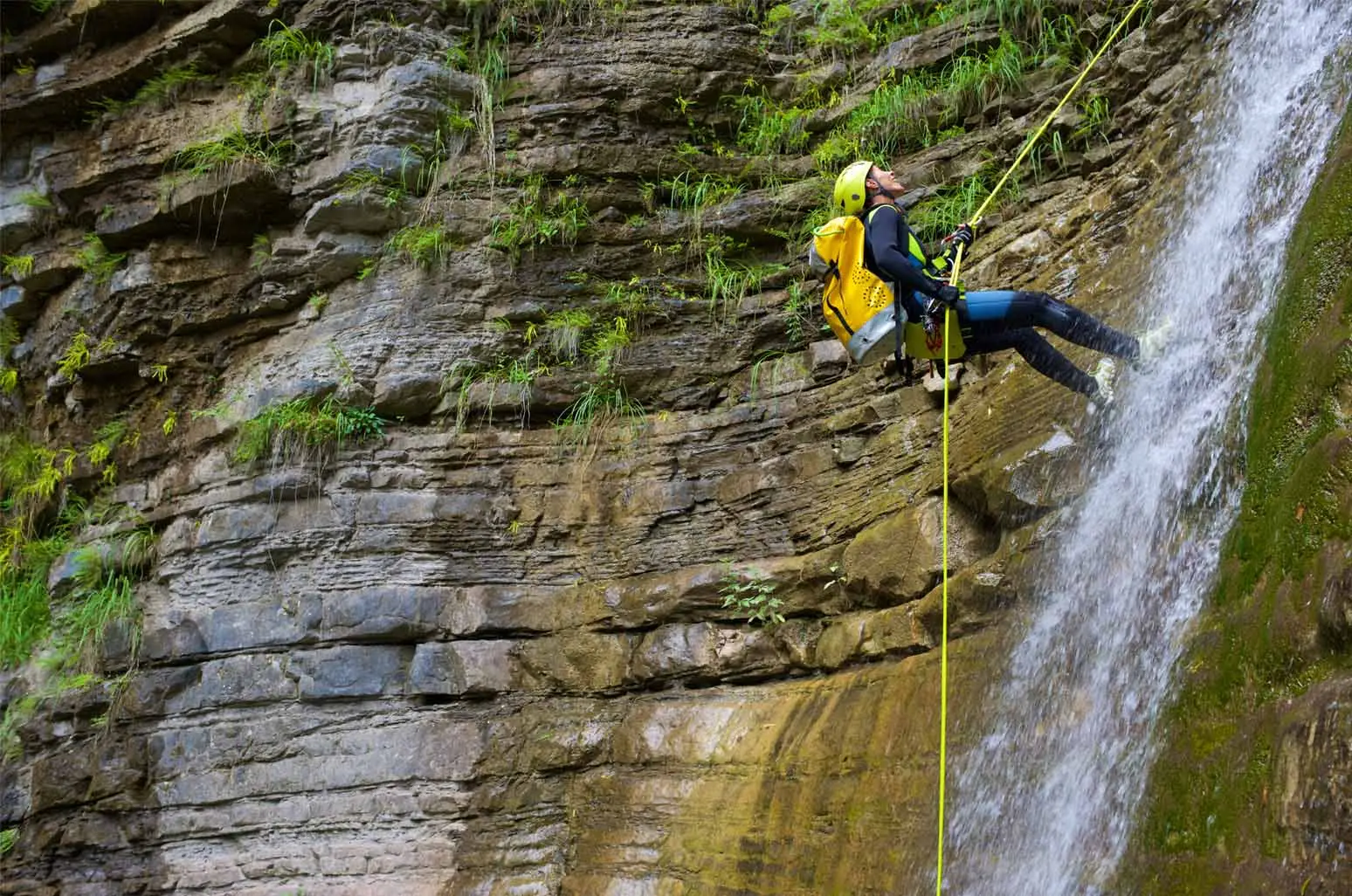
Abseiling is one of the most iconic techniques in canyoning. It allows you to descend waterfalls and vertical cliffs using a rope and a controlled braking system. A tutorial can help you get started with canyoning safely!
Before each descent, it is essential to check your equipment, your belay system, and the proper positioning of the rope. A stable stance and consistent speed control ensure a comfortable and safe descent.
Adapting Your Technique to Active Waterfalls
In Corsica, many canyons feature waterfalls where the water flows directly along the abseil route. These situations require extra skill to maintain your balance despite the pressure of the water.
In particular, the guides teach techniques for body positioning and weight distribution to move effectively in these dynamic environments.
Natural Jumps and Slides: Developing the Right Habits
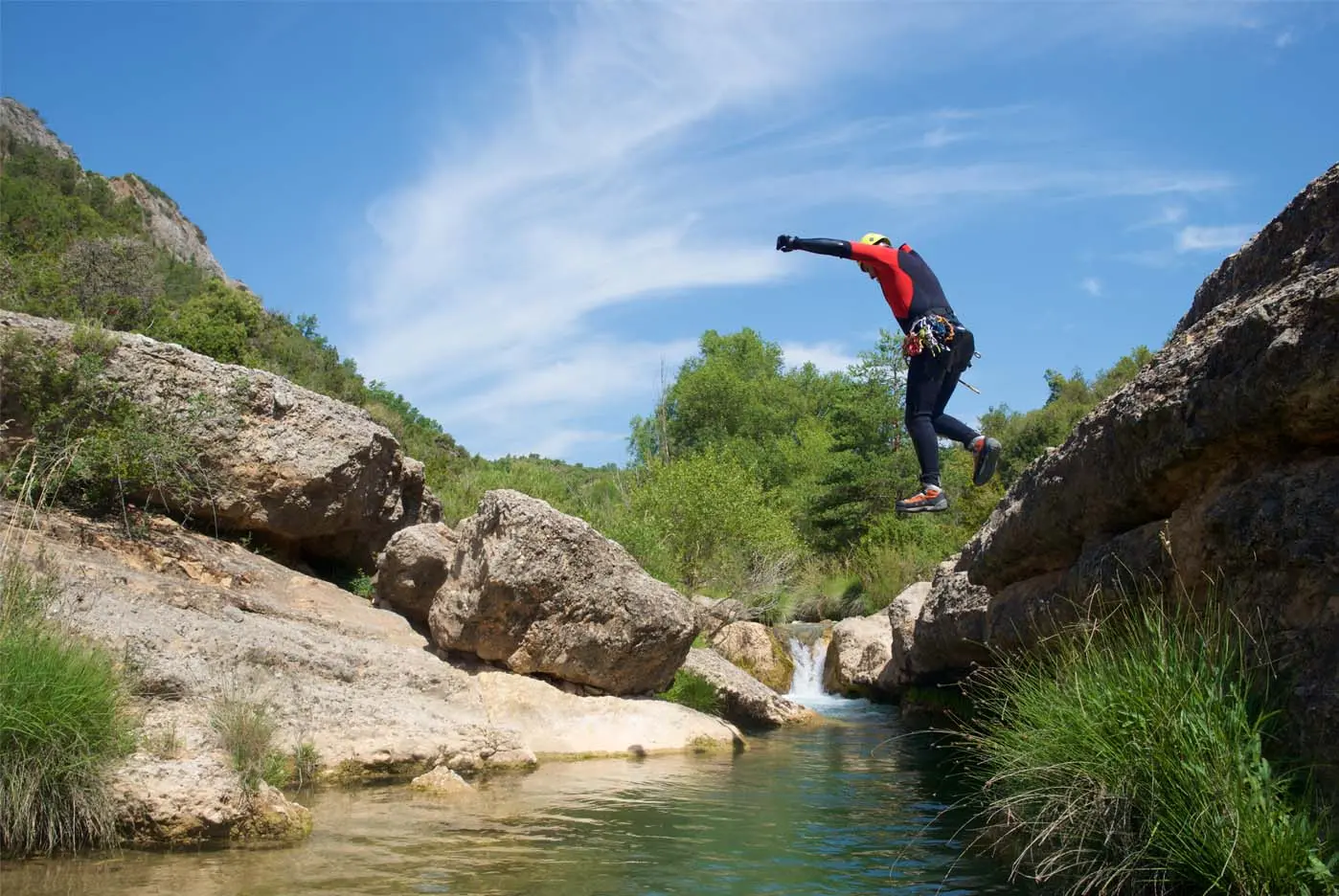
How can you jump safely?
Jumps are among the most popular parts of canyoning. However, they should never be improvised. Each landing spot must be checked to ensure it is safe, after verifying the depth and confirming there are no submerged obstacles.
Body position also plays a key role. The feet should generally enter the water first to minimize the risks associated with the impact.
How to Use Natural Slides Safely
The rocky slides found in several Corsican canyons allow you to test the naturally slippery surfaces all the way down to the pools. Before attempting them, however, you should check the water flow and the condition of the rock.
A proper position—with your arms crossed and your legs slightly raised—allows you to effectively control your descent until you reach the pool. Enjoy better Vacation in Corsica !
Canyon Swimming Techniques
Navigating the pools and currents
Swimming is an important part of many canyoning routes in Corsica. Some sections require crossing deep pools or navigating areas where there is a current.
Knowing how to conserve your energy, choosing the right path, and wearing your wetsuit properly all help make your movements more fluid.
Managing More Challenging Water Crossings
In some challenging canyons, participants must navigate sections where the water’s movement becomes more intense. The ability to read the current and anticipate areas of turbulence is therefore essential.
Guidance from a professional allows you to gradually develop these skills in a safe environment.
Essential gear for canyoning in Corsica
Personal Protective Equipment
Safety depends largely on the quality of the safety equipment used. A helmet, chest harness, neoprene wetsuit, harness, lanyards, and descender are among the essential items needed for canyoning.
All equipment must be inspected regularly to ensure that it complies with regulations and operates effectively.
Why is choosing the right shoes so important?
Hiking on wet rocks accounts for a significant portion of activities in Corsica. Appropriate footwear with a grippy sole helps reduce the risk of slipping while improving stability.
This aspect is often underestimated, even though it directly affects safety and comfort while traveling.
The Most Common Mistakes to Avoid When Canyoning
Underestimating the weather conditions
In the mountains, the weather can change quickly. Rain falling several kilometers upstream can cause a sudden rise in water levels in some canyons.
It is essential to check the forecast and follow the recommendations of professionals before every outing.
Overestimating one's technical ability
Choosing a route suited to your physical condition and experience is one of the fundamental rules of canyoning. Corsican canyons offer a wide range of difficulty levels, from family-friendly introductory routes to more challenging athletic descents.
A gradual progression allows you to develop the right habits without taking unnecessary risks.
Why learn canyoning techniques with a guide in Corsica?
Enjoy a safe learning experience
Certified guides teach essential techniques while ensuring the group's safety. Their knowledge of Corsican canyons also allows them to adapt the route to current conditions.
This support makes learning easier and helps students make rapid progress.
Discover the island's most beautiful canyons
Hiring a professional also gives you the opportunity to explore some of of Corsica’s most beautiful sites under the best conditions. Bavella, La Vacca, Le Verghellu, and L'Asco then reveal their full natural and recreational potential.
Canyoning in Corsica It is not just a series of jumps and rappels. This activity relies on specific techniques, the ability to read the terrain well, and constant adherence to safety rules.
Mastering the essential techniques not only allows you to fully enjoy Corsica’s canyons, but also to navigate these spectacular natural environments with greater confidence. With professional guidance and the right equipment, every participant can discover the treasures of the “Island of Beauty” through a sporting adventure that is as immersive as it is unforgettable.
FAQ
Do you need to know how to swim to go canyoning in Corsica?
Yes, knowing how to swim is strongly recommended. Several routes include deep pools and sections where you’ll need to swim, which require a certain level of comfort in the water. However, the guides adapt the itineraries to the participants’ skill levels.
Is rappelling required for canyoning?
In most Corsican canyons, certain waterfalls are crossed by rappelling. Beginner routes generally feature simple rappels that allow participants to gradually learn the technique.
Can you go canyoning without any prior experience?
Yes, many canyons are accessible to beginners. Guided tours allow you to learn the basics of canyoning while exploring in a safe environment that’s ideal for a first-time experience.
What is the best canyon for learning the basic techniques?
The introductory routes in the Bavella, Verghellu, and Asco regions are particularly well-suited for beginners. They allow you to gradually learn abseiling, jumping, and swimming in canyons.
When is the best time to go canyoning in Corsica?
The ideal time is generally from spring through late summer. Water levels are suitable for these activities during this period, and the temperatures allow you to fully enjoy water activities in the mountains.
