

Canyoning, also known as canyoning, is an outdoor sport that involves navigating gorges, ravines, and waterways while overcoming various natural obstacles. This sport combines several techniques, such as swimming, climbing, rappelling, jumping into natural pools, and sliding down rock slides carved out by water. Highly prized for its adventurous and immersive nature, canyoning allows participants to explore wild landscapes that are often inaccessible via traditional trails. Accessible to beginners when supervised by a certified instructor, this water sport appeals to both thrill-seekers and nature enthusiasts alike.
What is canyoning?
Canyoning is an outdoor sport that involves navigating narrow gorges or ravines carved out by water. This sport is similar to water hiking, combining exploration, adventure, and movement through natural surroundings. It lies at the intersection of caving, rock climbing, and whitewater sports, offering an immersive experience in the heart of wild and unspoiled landscapes.
A well-rounded and accessible sport
Canyoning is considered a very well-rounded sport because it combines several techniques for moving through the terrain, such as swimming, downclimbing, jumping, and rappelling. It allows participants to explore a variety of environments using specialized equipment that ensures safety and comfort. Accessible to everyone with professional guidance, it offers different levels of difficulty depending on the route and the challenge of navigating natural obstacles.
Canyoning Conditions and Practices
To go canyoning in Corsica Under normal conditions, it is essential to know how to swim and to feel comfortable in the water. The routes are selected based on the participants’ skill levels to ensure a progressive and safe experience. With the guidance of an instructor, beginners can explore this activity with confidence and navigate through spectacular gorges at their own pace.
Why Try Canyoning? The Benefits of This Water Activity
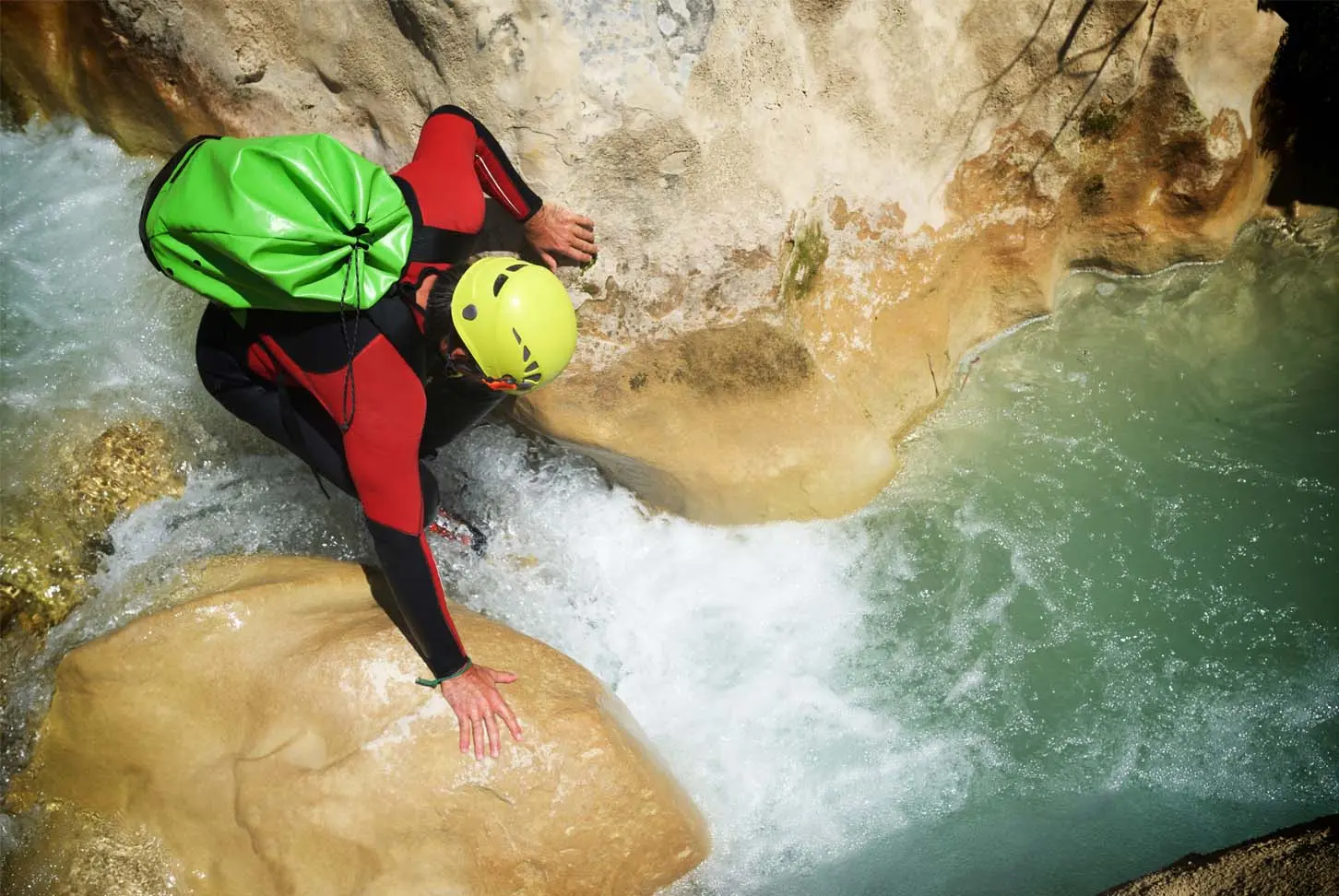
A well-rounded workout that targets the entire body
Canyoning engages all physical abilities thanks to the variety of movements performed during the descent. Between swimming sections, technical descents, walking on rugged terrain, and crossing waterfalls, the body is constantly working. This activity improves endurance, balance, coordination, and muscle strength without feeling like an intense workout. Canyoning is also excellent for developing agility and self-confidence in a variety of natural environments.
An exceptional journey through the gorges and natural landscapes
One of the great appeals of canyoning lies in exploring unspoiled natural sites. Participants discover deep gorges, impressive waterfalls, crystal-clear pools, and ravines shaped by erosion. Each route offers a unique setting where water, rock, and vegetation create a spectacular atmosphere. This immersion in the heart of nature allows you to disconnect from everyday life while enjoying an experience rich in excitement and discovery.
An ideal activity for experiencing thrills in a safe environment
Canyoning appeals to people because of the thrills it offers throughout the course. Abseiling down waterfalls, jumping into clear water, and sliding down natural water slides provide an adrenaline rush that’s particularly enjoyable. Despite its adventurous nature, this activity remains accessible and safe when done with an experienced guide. Beginners can thus gradually learn the techniques for moving through the canyon in a supervised and reassuring environment.
What gear should you choose to get started with canyoning?
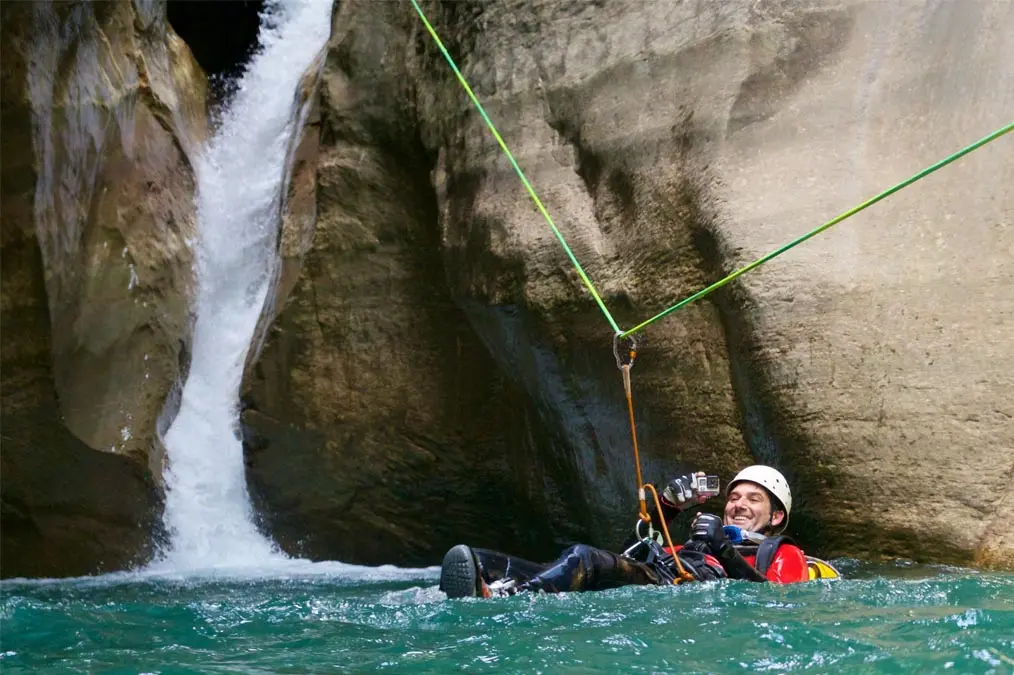
The neoprene wetsuit: essential gear for canyoning
A neoprene wetsuit is one of the essential pieces of equipment for canyoning in optimal conditions. It protects the canyoner from the cold, as the water in canyons often remains cool even during the summer. It also helps minimize friction and minor impacts against rocks during technical sections. The wetsuits used in canyoning are specially designed to provide excellent freedom of movement while ensuring optimal thermal insulation.
Canyoning Shoes for Safe Progress
Footwear plays a major role in canyoning, as wet surfaces can be extremely slippery. Proper footwear provides enhanced traction on wet rocks and ensures greater stability while moving through the canyon. They also help protect the ankles and feet when traversing ravines or rocky areas. Proper gear significantly reduces the risk of falls and improves comfort throughout the outing.
The helmet, harness, and rappelling equipment
The helmet provides effective protection against potential impacts and falling rocks in narrow gorges. The harness, meanwhile, is essential for rappelling down waterfalls and cliffs. Technical gear also includes carabiners, ropes, and descenders suitable for canyoning. On a guided outing, the instructor generally provides all the necessary equipment and explains how to use it before the start of the route.
Basic Canyoning Techniques for Beginners
Abseiling down the waterfalls
Abseiling is one of the most iconic techniques in canyoning. It allows participants to descend waterfalls and vertical cliffs using a rope and a proper safety system. Before each descent, the instructor explains the essential techniques so that participants can control their speed and position. This technique often impresses beginners during their first experience, but it quickly becomes accessible thanks to professional, step-by-step guidance.
Swimming and Movement in Water
In many canyons, it is necessary to cross natural pools or navigate moderate currents. Being comfortable in the water therefore makes canyoning easier, although beginner routes remain accessible to most participants. The swimming techniques used help conserve energy while allowing you to move efficiently through the water. Some sections also offer calmer moments to admire the surrounding natural scenery.
Natural jumps and slides in canyoning
Jumping into pools and sliding down rock slides are often the most fun parts of a canyoning trip. The guide assesses each natural obstacle to ensure a safe experience. Jumps are never mandatory, and alternatives are usually offered to beginners. These sections, however, provide a unique thrill while allowing you to enjoy the spectacular scenery of the gorges and waterfalls.
Canyoning Safety: Essential Rules to Follow
Always practice with a certified instructor
For your first time, it is strongly recommended that you go with an instructor who specializes in canyoning. This professional has in-depth knowledge of the routes, safety techniques, and weather conditions. They also tailor the outing to the group’s fitness level to ensure a smooth and safe experience. Thanks to their expertise, beginners can discover canyoning under the best possible conditions.
Check the weather before any canyoning trip
Weather conditions directly affect safety in canyons. Heavy rain can cause water levels to rise rapidly and make certain sections extremely dangerous. Before each outing, it is therefore essential to check the weather forecast and avoid periods of thunderstorms. Professional canyoning guides always take these factors into account before deciding whether or not to proceed with their Activities in Corsica.
Work within your physical and technical limits
One of the most common mistakes beginners make is overestimating their physical or technical abilities. Some routes include challenging sections that require endurance, flexibility, and mastery of rappelling techniques. It’s best to start with beginner-friendly canyons to gradually learn the basics of canyoning. A well-paced progression allows you to fully enjoy the experience while minimizing the risk of accidents or excessive fatigue.
Where Can You Go Canyoning in France? The Best Destinations
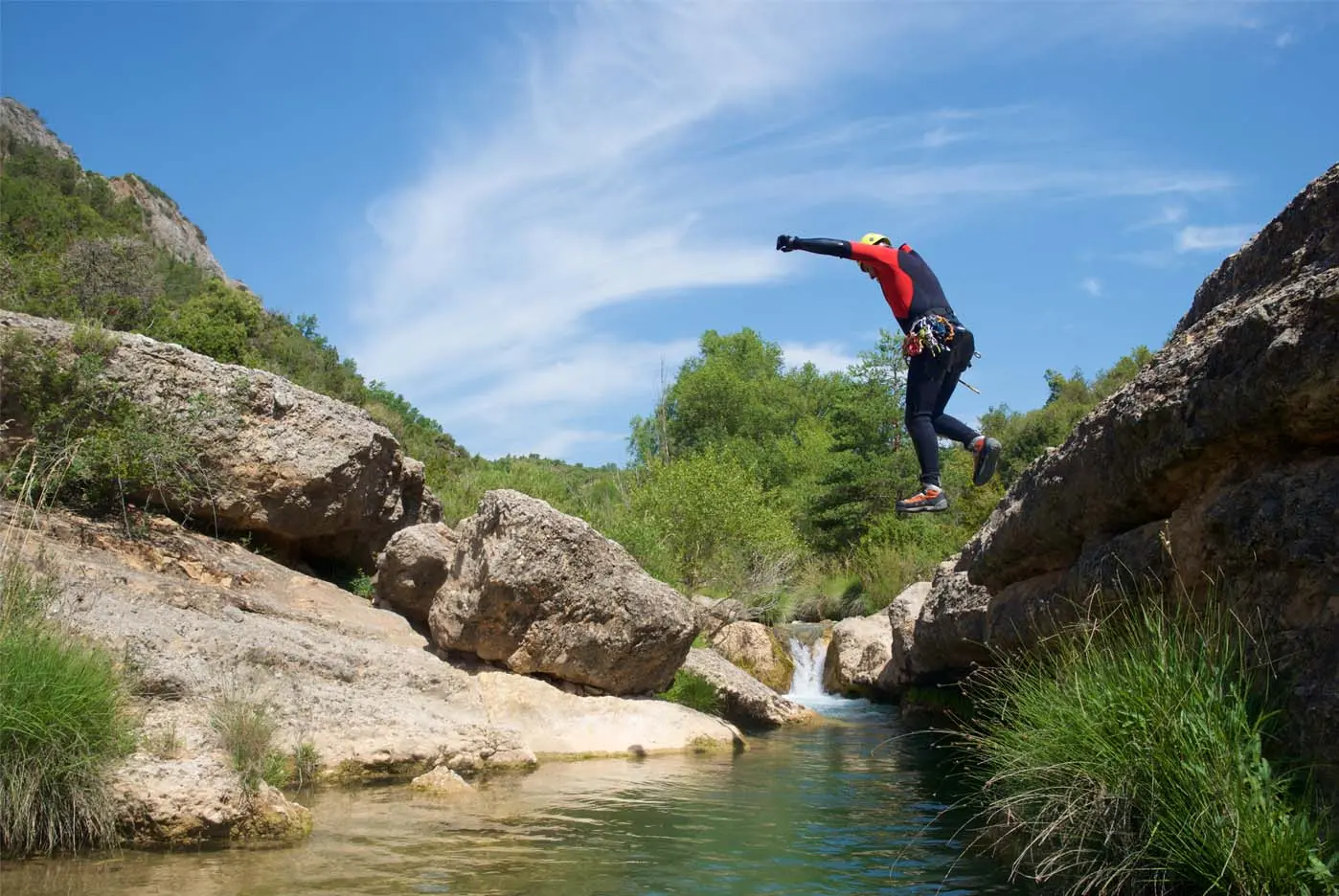
The Alps: A Top Destination for Canyoning
The Alps are among the most popular destinations for canyoning in France. This region offers a variety of canyons featuring impressive waterfalls, crystal-clear pools, and routes suitable for all skill levels. Beginners can explore accessible descents, while experienced canyoneers will find more technical routes. The beauty of the Alpine landscapes further enhances the immersive experience of canyoning.
Corsica and Its Spectacular Canyons
Vacations in Corsica are renowned for their exceptional natural sites and particularly rugged canyoning routes. Corsican rivers flow through magnificent gorges featuring a mix of natural slides, jumps, and rappelling descents. Thanks to its Mediterranean climate and crystal-clear waters, the island attracts many water sports enthusiasts and thrill-seekers every year. Corsica’s canyons offer a unique experience set amid mountains and unspoiled nature.
The Pyrenees and the Gorges of Southern France
The Pyrenees also offer numerous trails suitable for both beginners and experienced hikers. This region is known for its steep-walled gorges, refreshing waterfalls, and spectacular mountain scenery. In the south of France, several canyoning sites allow you to explore a variety of natural environments while enjoying a favorable climate for much of the year.
Canyoning combines adventure, exploration, and thrills in an exceptional natural setting. Accessible to beginners thanks to tailored routes and professional guidance, this activity offers a unique, immersive experience surrounded by water, rock, and mountains.
Whether you're looking for a sporting activity, a family outing, or an adventure with friends, canyoning is a great way to experience nature in a new way while building self-confidence and team spirit. By following the Corsica Deals Calendar With the right gear, proper preparation, and adherence to safety guidelines, your first canyoning descent will become an unforgettable experience—a blend of athletic adventure and caving spirit.
FAQ
Is canyoning dangerous for a beginner?
Canyoning remains a safe activity when practiced with a professional guide and on a route suited to the participants’ skill level. Safety equipment, supervision, and adherence to safety guidelines greatly minimize risks. Good physical conditioning and favorable weather conditions are also essential.
Do you have to be a very good swimmer to go canyoning?
It is recommended that you be comfortable in the water to participate in canyoning, even on a beginner-level route. Some sections require swimming in natural pools or floating in moderate currents. However, beginner-level routes are still accessible to most participants.
How old do you have to be to go canyoning?
The minimum age depends on the canyon and the difficulty level of the route. Some family-friendly routes are open to children as young as 8, while more technical descents are reserved for teens and adults. Guides generally tailor the outings to the group.
How much does a canyoning trip cost?
The price of a canyoning trip varies depending on the region, duration, and difficulty level of the route. On average, a guided introductory session costs between 40 and 90 euros per person, including equipment. Premium or technical trips may be more expensive.
When is the best time to go canyoning?
The ideal season is generally between spring and early fall. During this period, weather conditions are more favorable, and water levels allow for safe paddling. Some mountainous regions also offer very popular summer excursions.
